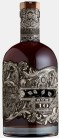
Rum has a mixed history, and like all distilled spirits, it can be your friend or your enemy.
Rum has long been associated with sailors and pirates. In the West Indies during the 1600s, large plantations grew sugar cane. When they extracted the sugar, they created a by-product called molasses. For years, the molasses was a waste product until it was discovered it could be distilled – and that is how rum came to be. Rum not only became a commodity for trade but was also a ration on the ships that delivered it. It remained a tradition in the Royal Navy that British sailors received an allotment of rum until the practice was discontinued in 1970.
In 1764, the British Crown placed a tax on the American colonies for sugar, molasses, and rum. This tax was called The Sugar Act of 1764. The unrest this caused led to more friction between the colonials and the crown, starting the colonies on the road to the American Revolution.
Rum is now the third most popular spirit in the U.S. Only vodka and all the whiskeys combined beat it for first and second-rankings. The spirit is used in citrusy mixed drinks, and cool blended summer cocktails, conjuring sandy beaches and drinks with brightly colored little umbrellas. However, dark rum is also used for hot mulled punches and toddies in winter.
Molly Fisk (1955) American poet and essayist; her poetry collections include The More Difficult Beauty, and Listening to Winter. She has also published several essay collections, including, Blow-Drying a Chicken: Observations from a Working Poet; Using Your Turn Signals Promotes World Peace; Houston, We Have a Possum; and Naming Your Teeth: More Observations from a Working Poet. In 2019, while serving as Poet Laureate of Nevada County, California, she was named an Academy of American Poets Laureate Fellow.
To read Molly Fisk’s poem “Dark Rum & Tonic” click:
Continue reading →





 Nicole Plyler Fisk
 Gene Howington
 FFS Guest Blogger
 Joy of Fishes
 Chuck Stanley
 shortfinals
 Terry Welshans
 ann li-summers
 wordcloud9


 Flowers For Socrates