
The Word
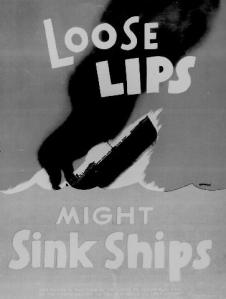
WWII Era American Propaganda
By GENE HOWINGTON
Originally, I drafted this article with a preface about the story Michael Hastings recently broke on BuzzFeed about an amendment to the latest defense authorization bill that would “legalize the use of propaganda on American audiences.” However, as I worked on it this morning, our very own poet laureate and research librarian extraordinaire Elaine Magliaro cut me off at the pass with her own excellent article on the subject. So instead of repeating the points she makes which illustrate why understanding propaganda is important, I will refer you to her post at Res Ipsa Loquitur, “How about Some Government Propaganda for the People Paid for by the People Being Propagandized?“
Now that the kid gloves have come off regarding the governmental efforts to control your mind by controlling both your information and how you receive it, let’s discuss the nature of propaganda. Now more than ever, it is important to know the basics of how propaganda works. Since words are the basic building block of the English language, we’ll start with asking what is propaganda, look at some general history of the practice, consider the importance of meaning of words, the ideas of connotation and denotation, and the process of selecting “value loaded” words.








 Nicole Plyler Fisk
 Gene Howington
 FFS Guest Blogger
 Joy of Fishes
 Chuck Stanley
 shortfinals
 Terry Welshans
 ann li-summers
 wordcloud9


 Flowers For Socrates