
by Nona Blyth Cloud
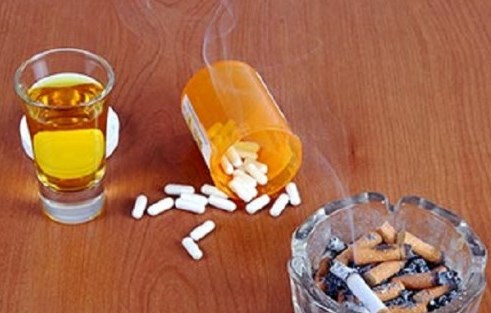
The Center for Disease Control (CDC) just issued a report that tells all women of child-bearing age they should stop drinking alcohol entirely, even if they have no plans to get pregnant, because they could possibly have an unplanned pregnancy, and any drinking might harm a fetus.
“Drinking too much for women means any alcohol use if you’re pregnant,” said Anne Schuchat, principal deputy director for the CDC, during a conference call with the media. “It’s not as much how many drinks, it’s any drinks if you’re pregnant—at any time during the pregnancy.”
The CDC has taken a hard line stance against any amount of alcohol during any stage of pregnancy—even, essentially, pre-pregnancy or could-be-pregnancy.
But other experts and activists say that such guidelines are too all-encompassing and fail to respect women’s ability to weigh risks.
The CDC has long taken a stance of “better safe than sorry.” When asked about the risk for a woman drinking very mildly while trying to get pregnant—a process that can take months or even years for some—the CDC’s Schuchat said, “We can’t put a number on that for any individual woman, but what we can say is that fetal alcohol spectrum disorders are 100 percent preventable if there’s no alcohol exposure at all,” she said. “So that’s why we say, ‘Why take the risk drinking any alcohol during, any time in the pregnancy, even before you realize you’re pregnant?’”
Rebecca Kula, a professor at the Kennedy Institute of Ethics and author of “Mass Hysteria: Medicine, Culture, and Mothers’ Bodies” strongly disagrees: “We don’t tell pregnant women not to drive cars, even though we are much more certain that there’s a risk to their fetuses from each car ride than from each drink,” she said. “….. zero risk is both impossible to meet and completely paralyzing to try to meet.”

Kukla argues that such guidelines are also excessively punishing. “The idea that the pleasures and routines that make up women’s days are mere luxuries that are not worth any risk whatsoever is patronizing and sexist,” she said. “And it would also turn their lives into complete hell if really taken to [its] conclusions.”
That hell is already happened to a growing number of women who have been prosecuted for substance abuse during pregnancy.
The first known indictment of an American woman for drug use in pregnancy was in California in 1977. But an appeals court ruled that lawmakers did not intend to include unborn children within the meaning of the word ‘child.’
Women have been put on trial for substance abuse while pregnant in every state except Delaware, Maine, Rhode Island and Vermont. Most of these cases have failed. But not all of them.
Arizona — In 2003, a woman was convicted of manslaughter and sentenced to 10 years in prison after her infant, who tested positive for crack cocaine, died shortly after birth.
Mississippi — In 2014, the state’s high court ruled that a woman whose stillborn baby tested positive for cocaine could not be charged with ‘depraved heart murder,’ but it left open the possibility that she could be prosecuted for manslaughter.
Oklahoma — An Oklahoma mother was sentenced to 15 years in prison for second-degree murder after the 2004 stillbirth of her meth-exposed baby. More recently, drug-using pregnant women have been charged with criminal child neglect.






 By ann summers

 By ann summers

 By ann summers




 Nicole Plyler Fisk
 Gene Howington
 FFS Guest Blogger
 Joy of Fishes
 Chuck Stanley
 shortfinals
 Terry Welshans
 ann li-summers
 wordcloud9


 Flowers For Socrates